Expert Strategies for Hay Fever Eye Relief
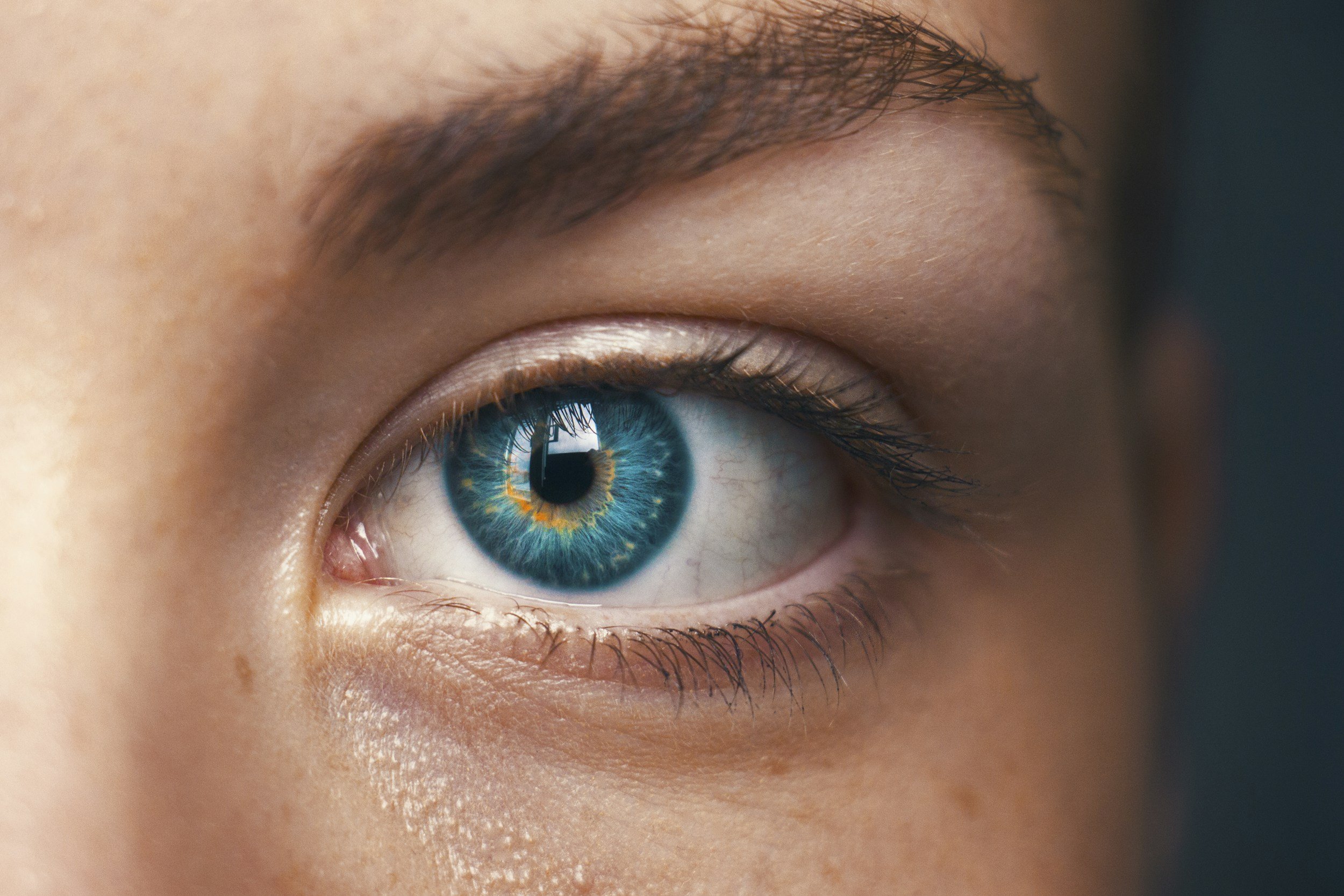
As the weather warms and people spend more time outdoors, spring and early summer bring hay fever for many, causing symptoms that disrupt daily life. Beyond sneezing and congestion, pollen often targets the eyes, producing itchy, watery, and red hay fever eyes that make them especially sensitive. Understanding how hay fever affects your eyes and learning ways to manage symptoms can help improve comfort and vision in the coming months.

Why Hay Fever Affects Your Eyes
Hay fever, also known as seasonal allergic conjunctivitis, occurs when your immune system reacts to allergens such as pollen from trees, grasses and weeds.
When these allergens come into contact with the surface of your eyes, your body releases histamines as part of its defence response. This leads to inflammation and irritation, particularly in the delicate tissues around the eyes.
Unlike other parts of the body, your eyes are constantly exposed to the environment, making them especially vulnerable during peak pollen periods.
Common Eye Symptoms of Hay Fever
If you suffer from hay fever, you may notice a combination of the following symptoms:
Itchy or irritated eyes
Redness and inflammation
Excessive watering
Swelling around the eyes
Sensitivity to light
A burning or gritty sensation
These symptoms can range from mildly irritating to significantly disruptive, particularly if they interfere with your ability to focus or comfortably carry out daily tasks.
Simple Ways to Reduce Eye Irritation
While it’s not always possible to avoid pollen completely, there are several practical steps you can take to minimise its impact on your eyes.
1. Avoid Rubbing Your Eyes
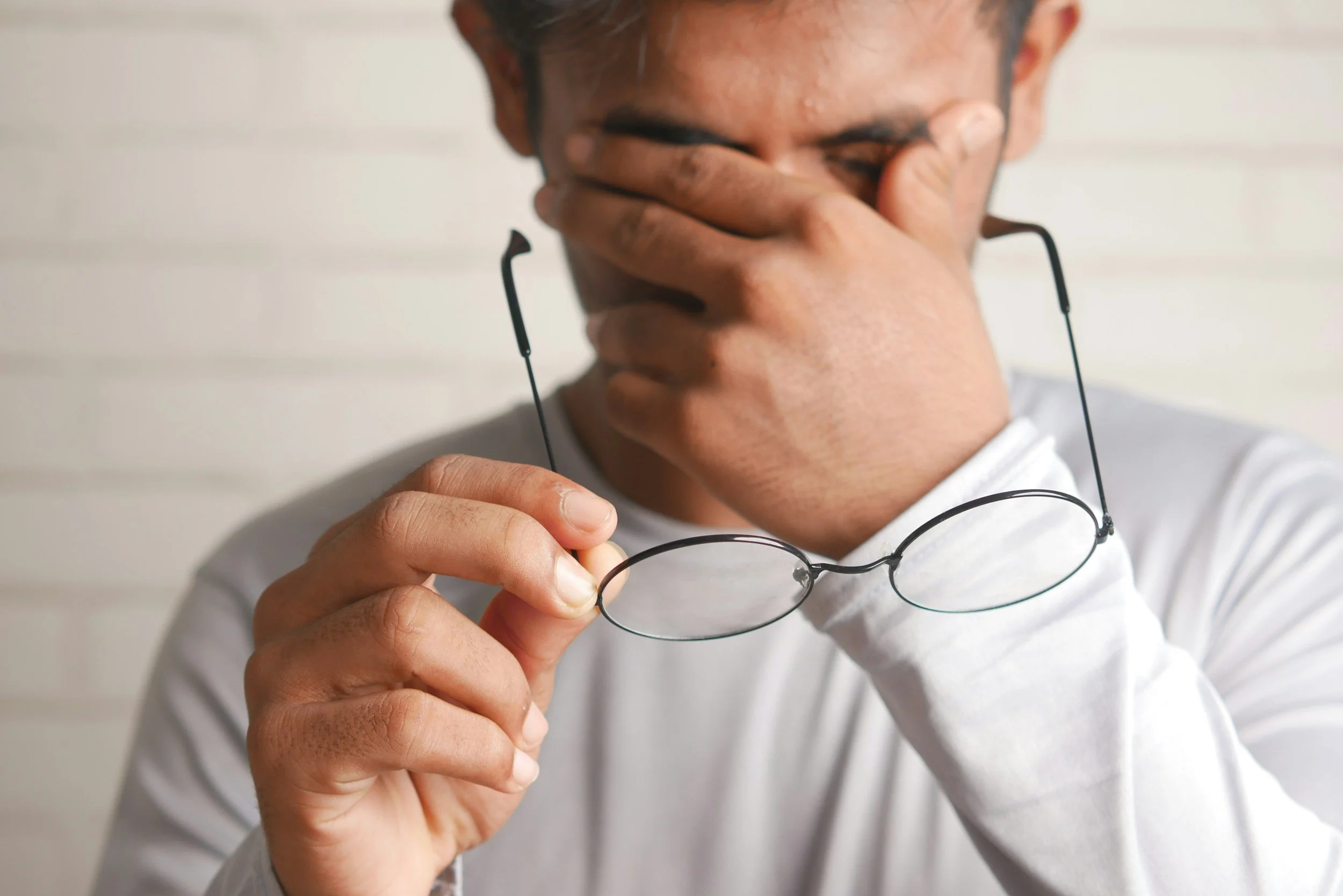
Although it may feel instinctive, rubbing your eyes can worsen irritation by spreading allergens and increasing inflammation. It can also damage the delicate surface of the eye over time.
2. Keep Your Eyes Clean
Gently rinsing your eyes with clean water or using a cold compress can help soothe irritation and remove allergens from the eye's surface.
3. Wear Sunglasses Outdoors
One of the simplest and most effective ways to protect your eyes is by wearing sunglasses when outside.
High-quality sunglasses act as a physical barrier, helping reduce the amount of pollen that reaches your eyes. They also minimise glare and light sensitivity, which can be heightened during hay fever season.
Wraparound styles or larger frames can offer additional protection, particularly on high pollen days. (View Maui Jim)
4. Use Appropriate Eye Drops
Lubricating or antihistamine eye drops can help relieve symptoms by calming inflammation and flushing out allergens.
However, not all eye drops are suitable for every individual, so it’s important to seek professional advice before using them regularly.
5. Monitor Pollen Levels
Checking daily pollen forecasts can help you plan your time outdoors. On days when pollen counts are particularly high, limiting exposure or taking preventative measures can reduce symptoms.
When to Seek Professional Advice
While many hay fever symptoms can be managed at home, persistent or severe eye irritation should not be ignored.
If you experience ongoing discomfort, blurred vision, or symptoms that don’t improve with simple measures, it’s important to have your eyes examined.
In some cases, what appears to be hay fever may be another underlying condition, such as dry eye syndrome or infection, which requires a different approach to treatment.
Protecting Your Eye Health This Season
Your eyes play a vital role in how you experience the world around you — particularly during the brighter, more active months of the year.
Taking proactive steps to protect them during hay fever season can improve not only your comfort but also your overall quality of life.
At Arthur Hayes Opticians, we’re here to help you manage seasonal eye concerns with expert advice and personalised care.
Book an Eye Examination
If hay fever is affecting your eyes, or if you’re unsure about the best way to manage your symptoms, our team is here to support you.
We offer advanced eye examinations to assess your eye health and provide tailored recommendations to keep your vision clear and comfortable.
Read our most recent blogs