Understanding the Impact of Eye Strain on Anxiety, Fatigue, and Focus
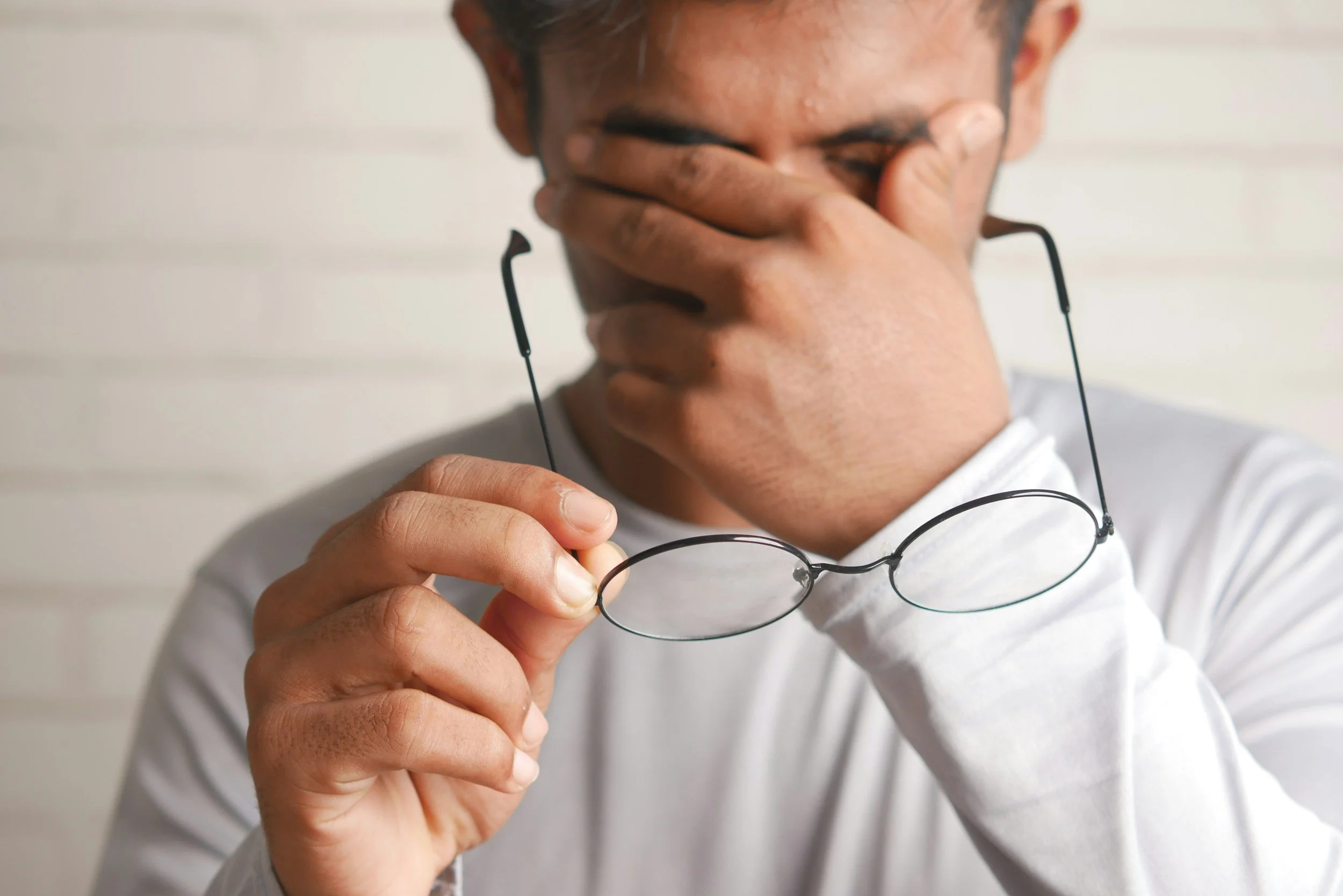
Anxiety, fatigue and poor concentration are increasingly common; eye strain is an often-overlooked cause. Prolonged screen use, bad visual ergonomics and uncorrected vision stress the eyes, causing strain, headaches and lower productivity. When the visual system is strained the brain works harder to focus, worsening mental fatigue and anxiety. Recognising eye strain helps improve visual comfort and daily performance.
The Link Between Anxiety, Fatigue and Visual Symptoms
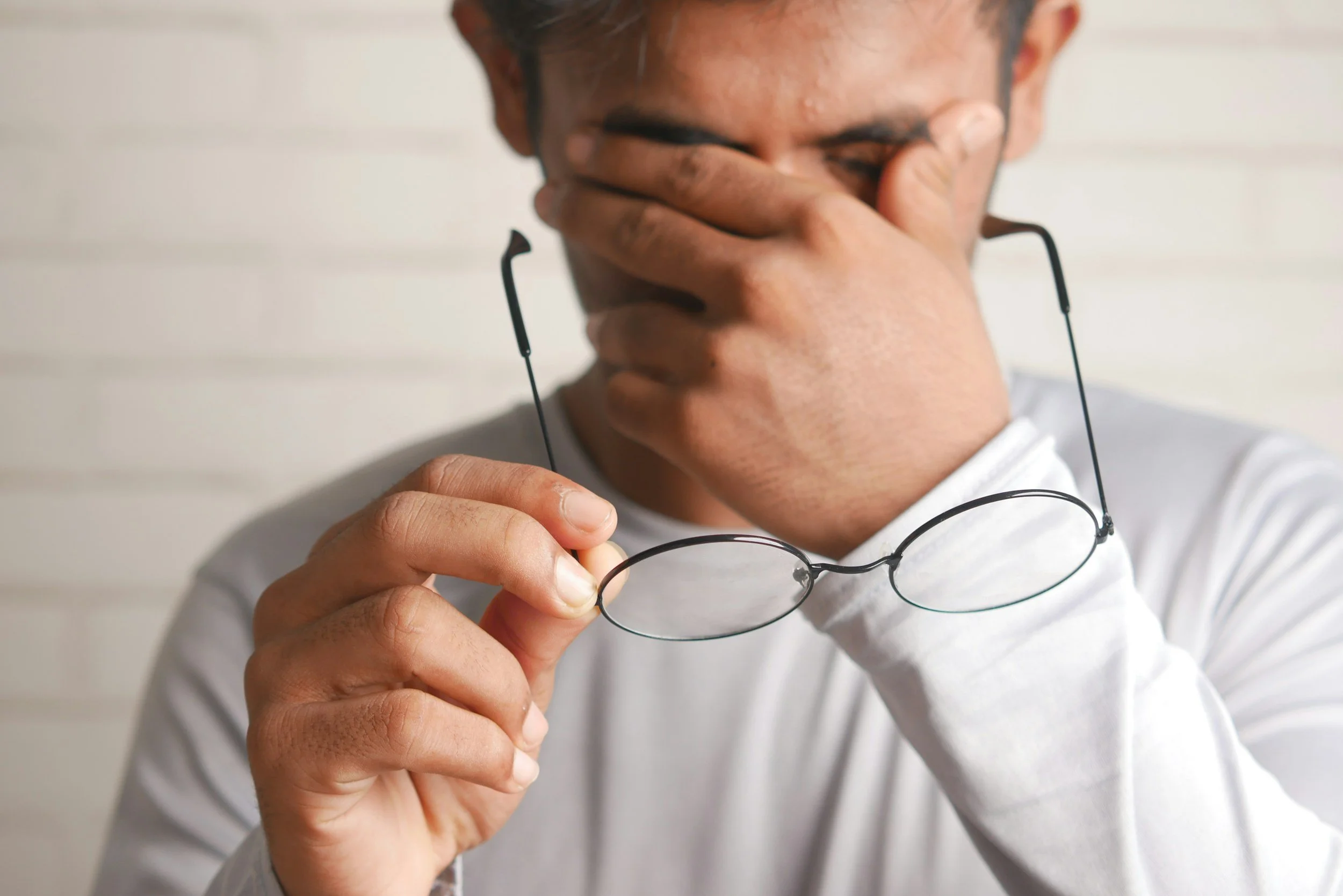
When the body is under stress or persistent mental pressure, physical symptoms often follow—and the eyes are no exception. Anxiety can heighten awareness of bodily sensations, making visual discomfort feel more pronounced. At the same time, fatigue reduces the eyes’ ability to sustain visual effort.
Common visual symptoms linked to anxiety and tiredness include:
Blurred or fluctuating vision
Eye strain or aching around the eyes and temples
Light sensitivity
Difficulty focusing, especially when reading or using screens
Headaches linked to visual tasks
These symptoms can appear even when a person’s prescription is relatively mild or unchanged. The issue is often not eyesight alone, but how hard the visual system is working under strain.
How Eye Strain Develops in Daily Life
Eye strain typically develops when the eyes are required to focus at a fixed distance for prolonged periods, particularly on digital screens. Reduced blinking during screen use leads to dryness, while sustained near focus overloads the eye’s focusing muscles.
Stress and fatigue exacerbate this process. When the brain is tired, it struggles to process visual information efficiently. The eyes may technically be “seeing,” but the brain is working harder to interpret what’s in front of it, which can lead to discomfort and reduced performance.
The Impact on Concentration and Productivity
Visual strain doesn’t just affect comfort—it directly affects concentration and productivity. When the eyes are fatigued, tasks take longer, errors become more common, and mental focus slips.
People experiencing eye strain often report:
Needing more frequent breaks
Reduced reading speed
Difficulty switching focus between screens and paperwork
Feeling mentally drained after visually demanding tasks
In work and study environments, this can significantly impact efficiency and confidence. Over time, persistent visual discomfort can lead to avoiding certain tasks, increased stress, and reduced job or academic satisfaction.
The Role of Fatigue and Poor Sleep
Fatigue plays a central role in visual performance. Poor sleep quality reduces tear production, worsens dry eye symptoms, and impairs the brain’s ability to process visual information quickly.
Even a small amount of uncorrected vision or focusing imbalance becomes more noticeable when the body is tired. This is why many people experience worsening visual symptoms later in the day, despite feeling “fine” in the morning.
When Anxiety and Vision Create a Cycle
An important but often overlooked factor is the feedback loop between anxiety and visual symptoms. Eye strain can increase feelings of stress and irritability, while anxiety can intensify awareness of visual discomfort.
Breaking this cycle requires addressing both visual demands and overall eye health—rather than assuming symptoms are purely stress-related or purely optical.
How an Eye Examination Can Help
A comprehensive eye examination does far more than check whether you need glasses. It assesses:
Prescription accuracy
Focusing and eye coordination
Dry eye and tear quality
Visual efficiency during prolonged tasks
Underlying eye health issues that may contribute to strain
At Arthur Hayes Opticians, advanced diagnostic technology such as OCT and Optomap imaging allows for a thorough assessment of eye health, alongside practical advice tailored to your lifestyle and work habits.
Practical Steps to Reduce Eye Strain and Improve Focus
Simple changes can make a significant difference:
Follow the 20-20-20 rule during screen use
Ensure screens are positioned slightly below eye level
Use appropriate task lighting to reduce glare
Blink consciously during prolonged visual tasks
Address dry eye symptoms early
Take regular breaks from visually demanding work
For some people, specialist lenses or coatings designed for screen use can also improve comfort and endurance.
Supporting Visual Comfort in a Demanding World
Anxiety, fatigue, and reduced concentration are not always separate issues—they often intersect through the visual system. By recognising the role eye strain plays in daily comfort and performance, it becomes possible to address symptoms more effectively.
If you are experiencing persistent eye strain, headaches, blurred vision, or difficulty concentrating—especially during screen use—the team at Arthur Hayes Opticians in East Grinstead can help. A tailored eye examination may be the key to improving not only how clearly you see, but how comfortably and confidently you function throughout the day.
Read our most recent blogs